Mandera Residents Sell Goats for Ksh.500 Due to Severe Drought
Mandera Residents Sell Goats for Ksh.500 Due to Severe Drought
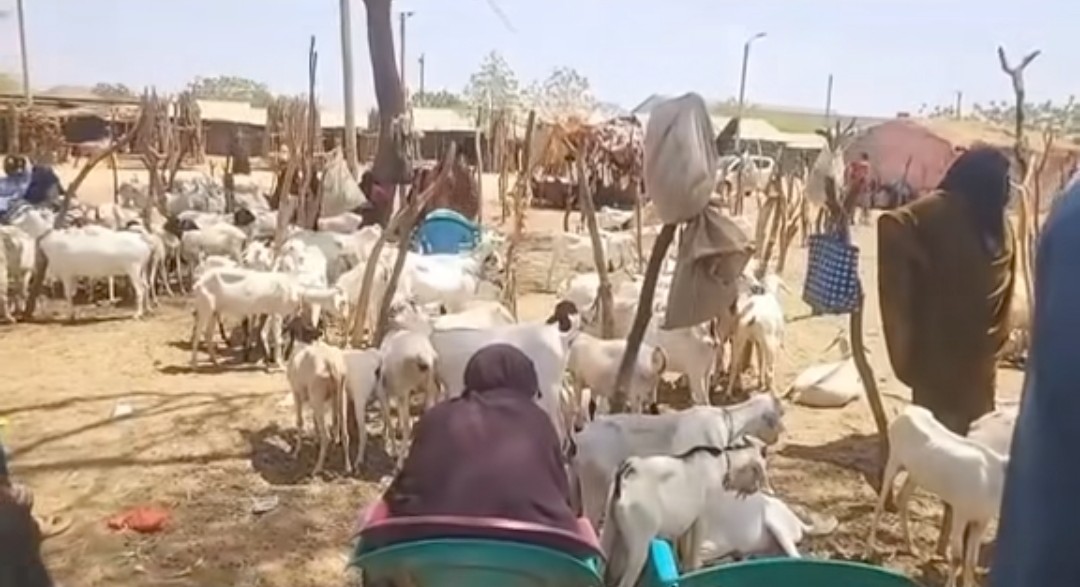
The arid landscapes of Mandera County in Kenya’s North Eastern region are currently facing an unprecedented crisis, as residents grapple with the devastating effects of a severe drought. The scarcity of water and pasture has critically impacted livestock, forcing many to make heartbreaking decisions—selling their goats at alarmingly low prices, sometimes as little as Ksh.500 each.
The Drought Crisis in Mandera
For generations, pastoralism has been the backbone of Mandera’s economy, with families relying heavily on livestock such as goats, camels, and sheep for their livelihoods. However, the ongoing drought has depleted water sources and destroyed grazing fields, leaving herders with little option but to part with their animals to survive.
The Heartbreaking Reality
In a recent video shared on Instagram, residents are seen selling their goats at a fraction of the usual market value. Where goats would typically fetch thousands of shillings, the current market prices have plummeted to as low as Ksh.500. This drastic drop reflects the severity of the drought’s impact on livestock health and market demand.
One resident lamented, “We are selling our goats just to buy water and food for our families. We have no choice.” The emotional toll on farmers and herders is profound, as they watch their assets diminish amid the harsh conditions.
Economic and Social Impacts
The low prices are not only a blow to individual farmers but also threaten the broader economy of Mandera. Livestock sales generate significant income for local communities, and the current crisis may lead to increased poverty, food insecurity, and displacement.
Moreover, the drought’s repercussions extend beyond economic loss. It disrupts social cohesion, erodes traditional pastoral practices, and heightens the vulnerability of communities already on the brink.
Calls for Urgent Action
Experts and local leaders are calling for urgent intervention from the government and humanitarian agencies. Immediate measures such as providing water, fodder, and emergency food aid are critical to alleviate the suffering of residents and prevent further deterioration of the situation.
Additionally, long-term solutions such as investing in drought-resistant farming techniques, water harvesting infrastructure, and climate change adaptation strategies are essential to build resilience against future climate shocks.
Conclusion
The plight of Mandera residents underscores the urgent need to address climate change’s impacts on vulnerable communities. As drought conditions persist, the resilience and survival of these pastoralists depend on swift and sustained support from both government and development partners.
For a visual account of the crisis, watch the full video on Instagram: [Link to Instagram Video](https://www.instagram.com/reel/DUQKTeECB_7/?igsh=MXJtbGE2ZGNjcXJ5ag==).
The ongoing drought in Mandera is a stark reminder of the fragile balance between climate, livelihoods, and community resilience. Immediate action is necessary to prevent further suffering and to ensure a sustainable future for Kenya’s northern frontier.