
The day they told me to leave my father’s land is a day I will never erase from my memory. I was standing under the same mango tree I had played beneath as a child when my uncles looked at me and said, without shame, “Hii si mali yako. Wewe ni mwanamke.”
My chest tightened. That land was not just soil. It carried my father’s sweat, my mother’s prayers, and my childhood laughter. I had watched him plough it season after season. I had helped harvest maize there.
And now, after his passing, I was being reduced to “just a woman,” as if my bloodline had changed overnight.
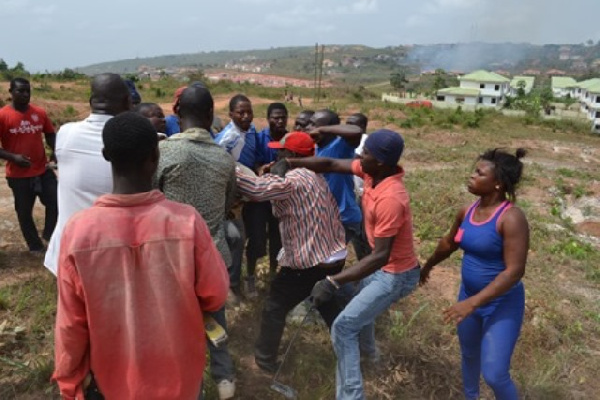
They did not ask. They declared. They even brought men to mark boundaries, as if I were already erased from the family map.
I left that day not because I agreed, but because I refused to create a public scene without preparation. Inside me, anger burned like fire. I cried in my car until my eyes were swollen. The humiliation hurt more than the eviction.
For weeks, I felt powerless. Relatives whispered that tradition did not favor daughters. Some advised me to move on and avoid conflict.
But something deep inside refused to surrender. This was not about pride. It was about dignity. I realized my voice mattered, and I would not disappear quietly from what was rightfully part of my life.
