
Exposed: Prophet Owour Never Pays His Bishops Salary Instead He Gives Them Houses, Cars & Food
In recent times, religious leaders wield immense influence over their congregations, often blurring the lines between faith, manipulation, and exploitation. While many spiritual figures genuinely serve as beacons of hope and moral guidance, others are accused of using religion as a tool for personal enrichment at the expense of their followers. One such controversial figure in Kenya is Prophet Owour, whose reputation as a healing prophet has captivated thousands but is now being challenged by investigative revelations that expose a disturbing reality behind the scenes.
An in-depth investigation by TV47’s renowned journalist Samirah has uncovered startling allegations about Prophet Owour’s methods of control, wealth accumulation, and the exploitation of his bishops and followers. These revelations threaten to shatter the image of a divine healer and instead paint a portrait of a manipulative leader who has mastered the art of dependency and fear to maintain his grip on power.
This comprehensive article aims to dissect the investigation’s findings, analyze the structure and operations of Owour’s church, explore the implications of his leadership style, and reflect on the broader societal issues surrounding such religious organizations in Kenya and beyond.
The Man Behind the Miracles: Who Is Prophet Owour?
Prophet Owour is arguably one of Kenya’s most prominent and controversial religious figures. His church has grown rapidly over the years, attracting a large following that believes in his divine healing powers. Owour is widely recognized for his charismatic preaching style, dramatic healings, and prophecies that seem to predict future events with uncanny accuracy.
His reputation as a healer—particularly his claims of curing HIV/AIDS—has brought him both admiration and skepticism. His followers see him as a true man of God, capable of performing miracles that defy scientific explanation. However, critics and whistleblowers have long suspected that some of these miracles are fabricated or exaggerated to boost his influence and financial gains.
Despite the controversy, Owour has amassed considerable wealth. His lifestyle, characterized by luxury homes, expensive cars, and lavish living, starkly contrasts with the humble beginnings and the spiritual humility expected of genuine faith leaders. The recent investigation aims to uncover how much of his wealth is derived from genuine faith versus questionable financial practices.
The Allegations: A Hidden World of Control and Dependency
During her investigation, Samirah uncovered deeply troubling allegations that challenge the authenticity of Owour’s claims of divine miracles. Central to these allegations is the assertion that Prophet Owour does not pay his bishops or ministers regular salaries. Instead, he provides them with material benefits—luxurious houses, high-end vehicles such as V8s, food allowances, and funding for their children’s education.
One bishop, speaking anonymously to Samirah, disclosed that these benefits are not merely tokens of appreciation but are integral to Owour’s strategy to create unwavering loyalty. The bishops are given everything they need housing, transportation, and daily sustenance so that they become entirely dependent on Owour’s largesse. This dependency ensures their allegiance and discourages dissent or critical questioning of his leadership.
This strategy of material dependency is a calculated move. By offering tangible, high-value benefits, Owour effectively binds his bishops emotionally and financially. They are less likely to challenge him or expose any misconduct because their livelihoods and families’ well-being hinge on his generosity.
Dependency as a Tool of Manipulation
The core of Owour’s control mechanism, as described by Samirah, is psychological and physical dependency. The bishops are made to believe that Owour is their divine protector and provider. Many of them live in fear of losing their benefits, status, or even their lives if they dare to oppose or criticize him.
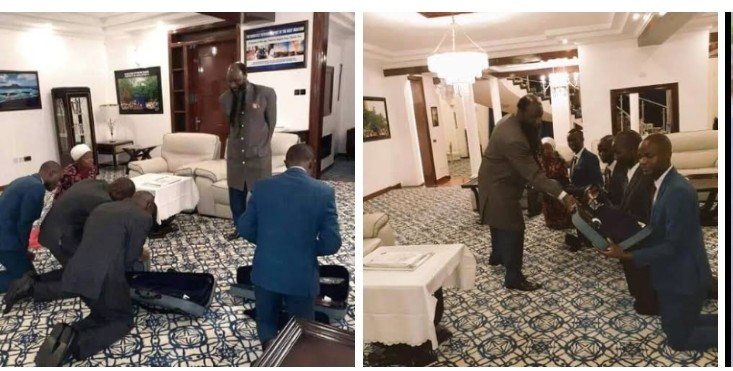
Samirah reports that some bishops are so terrified of Owour’s authority that when they see him, they either run away or bow down as if he were a deity. This behavior signifies a deeply ingrained culture of fear and reverence that resembles blind worship rather than genuine spiritual leadership.
Furthermore, Owour is said to be very commanding and rude in his interactions. Witnesses describe him talking in a tone that leaves no room for dissent, often insisting that everything must happen according to his exact instructions. Such authoritarian leadership, combined with the fear instilled in his followers, creates a climate where questioning or exposing any misconduct becomes virtually impossible.
The Cult of Personality: Worship and Fear
One of the most disturbing aspects highlighted by Samirah is how Owour’s bishops and followers worship him. The investigation reveals that many bishops see Owour not just as a spiritual leader but as a divine figure. They often bow before him, run when they see him, and treat him with reverence that borders on idol worship.
This cult of personality is reinforced by Owour’s teachings and behaviors. He demands total obedience, discourages independent thinking, and punishes dissent through threats or social exclusion. The psychological grip he maintains over his followers is so strong that many are willing to sacrifice their own well-being to remain in his favor.
The worship-like behavior extends to the followers’ perception of miracles. Many believe that Owour’s power is divine, and they are blinded to any possible manipulation or deception. This unquestioning faith makes it easier for Owour to sustain his influence and continue exploiting his followers.
Wealth and Lavish Lifestyle: A Contradiction to Humility
Despite his claims of spiritual humility and service, Samirah’s investigation reveals that Prophet Owour leads a life of opulence. He resides in a wealthy suburb, enjoying a lifestyle funded by the millions he collects from tithes, offerings, and fake miracle claims.
Owour’s wealth is apparent in his properties, luxury cars, and the overall lifestyle he maintains. His financial empire is built on the backs of vulnerable followers who are convinced that their donations and sacrifices will lead to divine blessings.
This disparity between his lifestyle and the humility expected of a true spiritual leader raises serious ethical questions. Is Owour genuinely a man of God, or is he a con artist exploiting faith for personal enrichment?
The Fake Miracles: Exploiting Vulnerability
One of the key revelations from Samirah’s investigation concerns Owour’s claims of healing HIV/AIDS. These claims have been widely circulated and are believed to be false or exaggerated.
Samirah emphasizes that no medical evidence supports Owour’s alleged cures. No hospitals or doctors have verified any such healing, and documented cases suggest that these claims are fabricated or staged. The so-called miracles serve primarily to attract more followers, increase donations, and enhance Owour’s reputation.
The false miracle claims are especially dangerous because they exploit people suffering from incurable diseases. Many individuals who are desperate for hope and healing are lured into believing that Owour’s divine power can cure their ailments. This false hope can delay or prevent genuine medical treatment, endangering lives.
Exploitation of Vulnerable Followers
Many followers of Owour are among the most vulnerable in society poor, sick, or emotionally distressed. These individuals often seek solace in religion, hoping for divine intervention. Unfortunately, they are often manipulated into giving their money and trust to Owour’s church under false pretenses.
Samirah’s investigation suggests that Owour and his bishops are fully aware that their miracles are fabricated but continue to promote them because they are lucrative. The followers’ faith and desperation become commodities that are exploited for financial gain.
Many followers are convinced that giving money or participating in rituals will secure divine blessings or cures, not realizing that they are being scammed. This exploitation raises ethical and moral questions about the responsibility of religious leaders to their congregations.
Fear, Silence, and Whistleblowers
One of the most alarming aspects of the investigation is the culture of silence surrounding Owour’s operations. Many bishops and followers are afraid to speak out publicly, fearing retaliation, social exclusion, or even violence.
Samirah highlights that some bishops have confided in her privately, revealing the truth about Owour’s manipulative practices. However, they remain silent publicly due to fear of repercussions. This silence allows Owour to continue his alleged misconduct unchecked.
Despite the risks, a few whistleblowers are beginning to speak out. Their testimonies are crucial in exposing the truth and encouraging others to come forward.
Broader Societal Implications
The case of Prophet Owour is not isolated. Across Africa and other regions, the rise of charismatic churches and leaders has often been accompanied by allegations of financial exploitation, psychological abuse, and false miracles.
In Kenya, the proliferation of such churches raises urgent questions about regulation, oversight, and accountability. Religious organizations wield significant influence over millions of believers, and unchecked leadership can lead to widespread abuse.
The government and civil society must collaborate to establish clear laws and standards that ensure transparency and protect vulnerable congregants. This includes scrutinizing the financial practices of churches and holding leaders accountable for misconduct.
The Need for Transparency and Ethical Leadership
Samirah’s investigation concludes with a call for honesty, transparency, and accountability within religious organizations. Followers deserve to know the truth about their leaders and the legitimacy of their claims.
It is essential to distinguish genuine faith from exploitation. Religious leaders who truly serve their communities should prioritize integrity, humility, and compassion over material wealth and manipulation.
The Role of Society and the Media
The media plays a vital role in exposing abuse and holding powerful figures accountable. Investigative journalism like Samirah’s is crucial in uncovering hidden practices and safeguarding societal morals.
Society must also foster a culture where whistleblowers are protected and encouraged to speak out. Only through collective effort can we ensure that faith remains a source of hope rather than a tool for deception.
Final Thoughts: A Wake-Up Call for Kenyan Society
The revelations about Prophet Owour serve as a stark reminder of the dangers when spiritual authority is wielded irresponsibly. While many genuine religious leaders uplift their communities, others, like Owour, manipulate faith for personal gain.
It is imperative for followers, government authorities, and civil society to scrutinize such figures carefully. Genuine spirituality should empower, uplift, and heal never exploit or deceive.
As Kenyan society grapples with these revelations, the importance of vigilance, transparency, and ethical leadership cannot be overstated. The truth must come out, and justice must be served to protect vulnerable individuals from further harm.
Note:For a full understanding, viewers are encouraged to watch the investigative video on YouTube: [https://youtu.be/T_JDtt-S7Zw?si=zTUqrk6KReI6G9Ku](https://youtu.be/T_JDtt-S7Zw?si=zTUqrk6KReI6G9Ku).
